Need emergency plumbing in Pevely?
Describe your plumbing problem and request an estimate, or Request a callback to check provider availability. Hours vary by provider.
No obligationRequest an estimate from a local provider
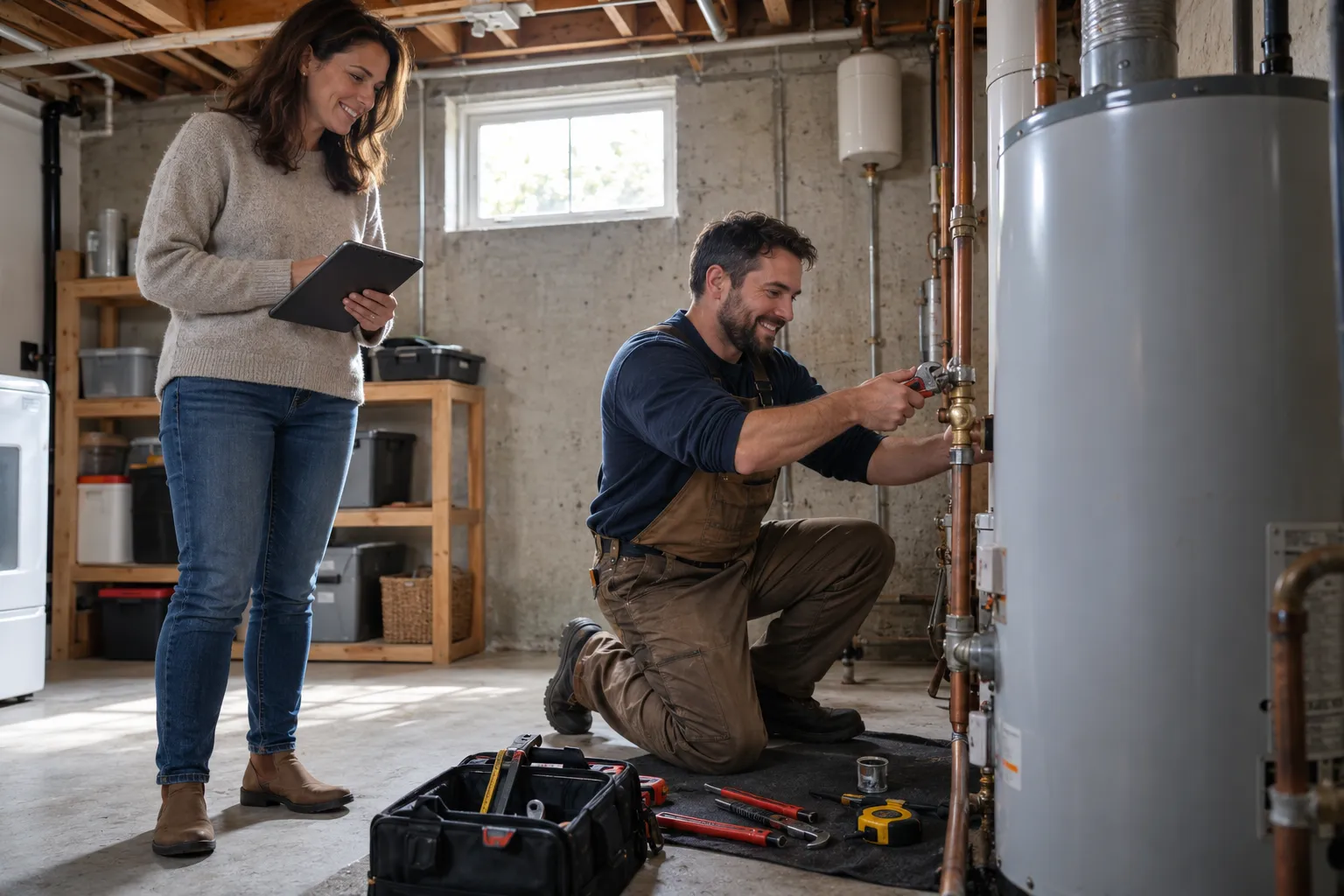
A plumbing emergency feels huge, but the first steps are simple. Shut off the water, keep people safe, and take a few photos. Then you need a local provider who can look at the problem and give you a clear written quote.
Findingcharged Plumbing is a referral service. We connect homeowners in Pevely and the Pevely area with independent providers in our network. The providers do the work and set their own prices. This page explains what counts as an emergency, what drives the cost, how to compare quotes, and how to protect your pipes after the repair is done. You can also read about burst pipes, water heaters and sewage backups, then request an estimate when you are ready. There is no obligation to hire anyone.
Water is going where it should not. Take a breath. Do these three things first.
Then request a callback to check which providers in our network can respond near you.
An emergency is any leak or backup that is causing damage now or cannot be stopped by a valve. Think of a burst pipe, a spreading sewage backup, no water at all in winter, or a water heater leaking steadily.
A slow drip under a sink is different. It still needs a fix, but you can usually shut off that one fixture and plan a visit. Knowing the difference can save you a rush premium.
Most big repairs start small. Watch for these signs.
Act on these early and you often pay for a small repair instead of a flooded room.
Water spreads fast. It soaks drywall, flooring and insulation, and mold can start to grow in a couple of days. The pipe repair may be modest. The cleanup and rebuild is where costs jump.
Some policies may cover sudden damage, so check your policy. Providers can often help document damage for a claim.
A provider first finds the source and stops the water. Next comes a temporary or full repair, depending on the pipe and the damage. Many providers can respond quickly, but availability varies by provider and by the weather.
Ask the provider to explain what is a must-do today and what can wait. That helps you spend only on what the problem needs.
Cold winters with deep frost are hard on pipes in outside walls, garages and crawl spaces. Ice expands and can split a pipe. The split often shows up only after the thaw, when water pours out.
If a pipe is frozen but not burst, keep the faucet open a little and warm the area with safe heat. Never use an open flame. If you see a bulge or a crack, shut off the main and get help.
A tank that leaks from the bottom is usually near the end of its life. Shut off the water to the tank, and turn off the gas or power to it. A tank repair is rarely worth much, so expect a replacement conversation.
Here the trade-off is simple. A repair costs less now, but an older tank may fail again. Ask for both options in writing.
If several drains gurgle or back up at once, the problem may be in the main line. Stop using water, and keep children and pets away from the area. Sewage is a health risk, so do not try to clean it up with bare hands.
Blocked pipe services and emergency drain clearing are separate topics with their own pages, but a good provider will tell you if the real issue sits deeper in the line.
Compare written quotes whenever you can, even in a rush. Asking two providers takes minutes and can show a big gap in price.
Look for these items on each quote:
The smallest number on the page is not always the smartest buy. A vague quote can grow once the work starts.
Ask if the provider is licensed and insured where your state requires it, and ask for proof. Ask what happens if they open a wall and find more damage. A fair provider will explain, show you, and get your okay before extra work.
Be careful with anyone who asks for the full payment up front or will not put the price in writing.
The repair is only half the job. Ask the provider why the failure happened. Was it age, frost, pressure, or a fitting that was never right? The answer tells you what to watch.
Spring flooding and heavy storms can also strain basements and sump pumps. Test your pump each season and keep the discharge line clear.
These small tasks cost little and can head off the next emergency.
A provider finds where the water is coming from, shuts it off, and tells you what is urgent and what can safely wait.
Burst, cracked or leaking pipes can be patched or replaced, depending on the material and damage.
Leaking or failed tanks get checked, with repair and replacement options explained.
Providers can put the scope and price on paper so you can compare before agreeing.
Prices vary by pipe type, access, time of day and local rates. These are typical U.S. ranges only. Always get a written quote before work starts, and compare at least two when you can.
| Item | Typical range | Notes |
|---|---|---|
| Emergency visit or diagnosis | $100 – $400 | Often applied to the repair; fees vary by provider |
| Burst pipe repair | $150 – $1,000 | Depends on access and length of pipe |
| Frozen pipe thaw and repair | $200 – $1,500 | Higher if walls must be opened |
| Water heater repair | $150 – $600 | Parts and tank age affect the price |
| Water heater replacement | $1,000 – $3,500 | Tank or tankless; type and size matter |
| Shut-off valve replacement | $150 – $500 | Main valves cost more than fixture valves |
Shut off the main valve, stay safe around electricity, and take photos of the damage.
Tell us what is happening and where, and we pass it to a local provider.
Review the written scope, parts and price. Ask questions before you say yes.
Once the repair is done, follow a simple upkeep list to prevent a repeat.
We explain what moves a price so you know what to ask before you agree to any work.
You are connected with independent providers who know local housing and the regional climate.
We encourage written quotes, so you can weigh the scope and price side by side.
After the repair, simple tips help you keep pipes in good shape.
Describe your plumbing problem and request an estimate, or Request a callback to check provider availability. Hours vary by provider.
No obligationShut off the main water valve, then open a faucet low in the house to drain the lines. Keep clear of electrical items and standing water. Take photos, then contact a local provider to stop the leak and assess the damage.
Typical U.S. costs run from about $150 for a small repair to several thousand dollars for larger jobs. Time of day, access and parts all matter. Ask for a written quote before work begins.
Some policies may cover sudden damage, but not slow leaks or wear. Coverage varies, so check your policy and call your insurer. Providers can often help document damage for a claim.
Describe your plumbing problem and request an estimate, or Request a callback to check provider availability. Hours vary by provider.
No obligation